
Executive Power on Trial: Tariffs Challenged
Cato Institute vs. Trump: Emergency Tariffs

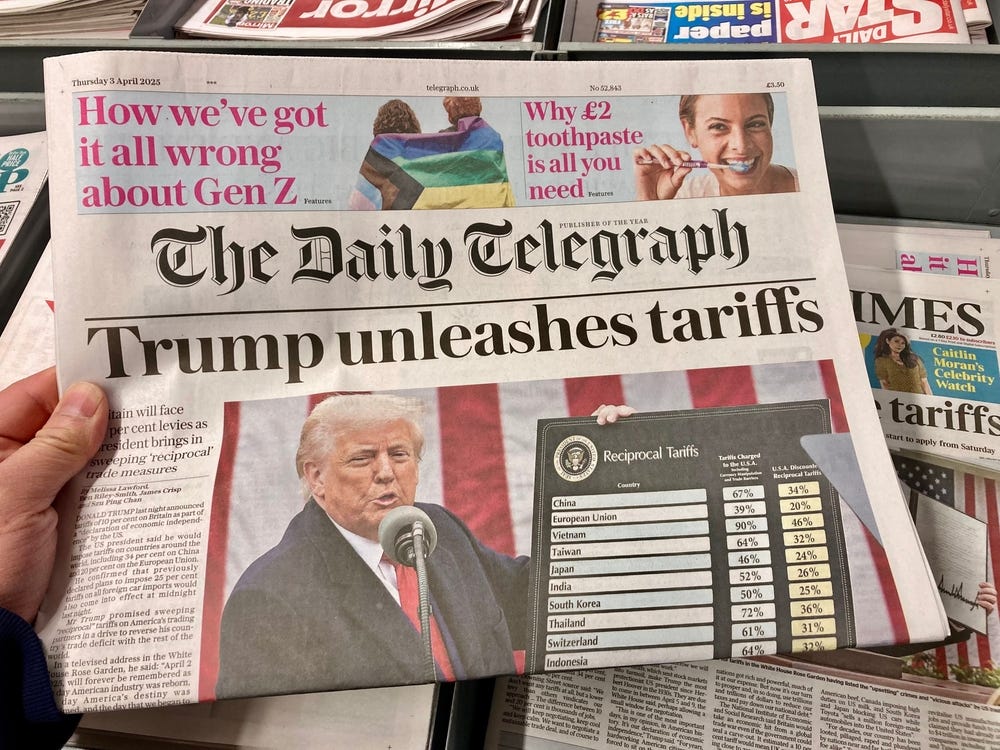
The Cato Institute's legal battle against Trump's emergency tariffs exposes constitutional tensions and executive overreach that could reshape presidential power boundaries.
At a Glance
The U.S. Court of Appeals temporarily upheld Trump's tariffs despite a lower court's opposition.
The Cato Institute asserts Trump's tariffs exceed authority under IEEPA.
Legal proceedings question the separation of powers between Congress and the President.
The outcome could redefine executive control over trade policy.
A decision from the appeals court is anticipated this year.
Legal Tensions Over Tariffs
The Cato Institute is challenging President Trump's use of the International Emergency Economic Powers Act (IEEPA) to impose tariffs on imports from countries like China, Mexico, and Canada. This legal intervention raises serious issues about the constitutionality of such tariffs, questioning whether they support the separation of powers as delineated in the U.S. Constitution. The imposition of these tariffs was initially justified by the Trump administration as a counter to the fentanyl trade, but courts have ruled this rationale insufficient under IEEPA.
Watch a report: 'Everybody has to pay': Trump talks tariffs in Cabinet meeting
The U.S. Court of International Trade and a U.S. District Court have both ruled against the tariffs, claiming presidential overreach. However, the U.S. Court of Appeals has temporarily upheld these tariffs pending further legal proceedings. Plaintiffs, initially composed of states and small businesses like V.O.S. Selections face fluctuating trade conditions due to these tariffs. This showcases a broad battle over the breadth of presidential powers, a battle that could extend to the Supreme Court if the administration continues its challenge.
Constitutional Boundaries at Stake
The Cato Institute's filing of an amicus brief in V.O.S. Selections, Inc. v. Trump argues that the tariffs exceed authority originally intended for the President. They stress that the tariffs undermine Congressional power, stretching executive discretion past traditional limits. Without a question, the Cato Institute urges the appeals court to reaffirm a lower court's decision that found these tariffs exceeded statutory authority.
The legal proceedings will shed light on Congress's role in controlling trade policy. As the administration defends its use of emergency powers by pointing to drug crises and trade vulnerabilities, these rationales have not convinced the courts. Tariffs on Chinese products reaching up to 145% demonstrate the lack of a clear limiting principle. If the courts rule in favor of the administration, it could broaden executive power significantly.
WEB3 on X: "Federal Court Rules Trump Tariffs Illegal, Terminating Them
https://twitter.com/WEB3WORLDWAR/status/1927902087054250488
Potential Implications
The legal challenge by the Cato Institute underscores the critical importance of maintaining a balance of power among government branches. If the appeals court upholds the administration's position, this could lead to a notable expansion of presidential authority in trade matters, affecting everything from tariffs to international treaties. The ongoing legal discourse will determine how far future presidents can go in leveraging emergency powers over trade, setting a significant legal precedent.
Cato's stand is more than just a legal challenge; it captures a determination to forestall executive overreach. The question remains whether unelected judges will decide national emergency policies—a contentious debate sure to continue with significant implications for current and future administrations.